
contact-button

How to Source Inorganic Fluorine Products Effectively?

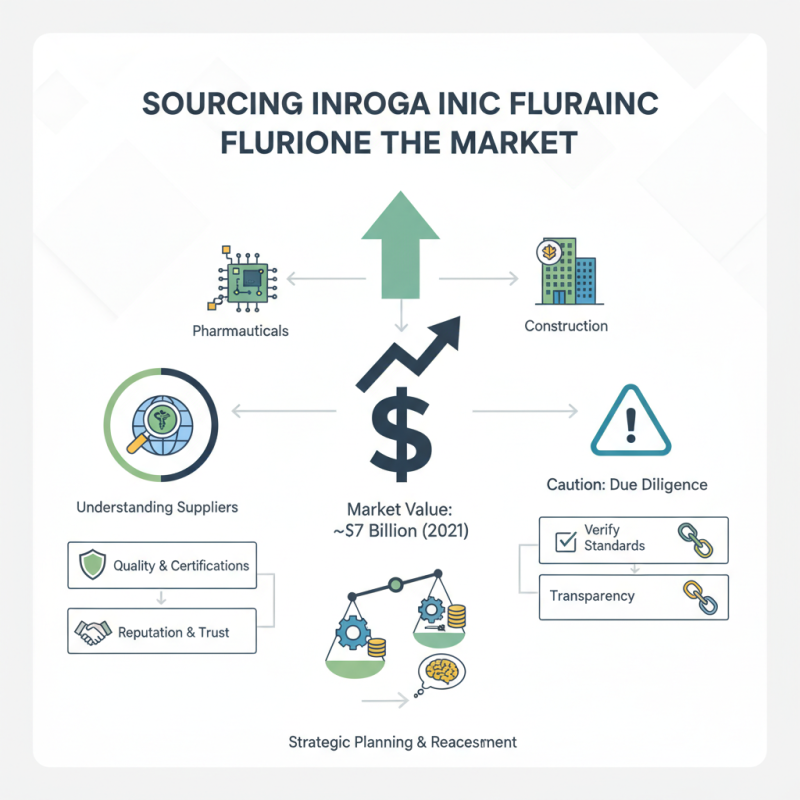
Sourcing Inorganic Fluorine Products effectively is crucial in today’s competitive market. The global inorganic fluorine product market was valued at approximately $7 billion in 2021, with expected growth over the next decade. This growth is driven by increasing demand in industries such as pharmaceuticals, electronics, and construction. Mastering the sourcing process is vital for companies aiming to enhance their competitive edge in this sector.

When searching for high-quality inorganic fluorine products, understanding suppliers is essential. The quality of these products influences performance and safety. Inadequate sourcing can lead to inconsistent quality, affecting end-user satisfaction. Reports indicate that nearly 30% of companies reported sourcing issues in 2022, emphasizing the need for a refined approach. Reliable suppliers often have necessary certifications and established reputations, which can be indicators of product integrity.

However, caution is necessary. Not all suppliers meet industry standards. Companies should conduct thorough due diligence. Transparency in sourcing relationships promotes trust and reliability. While the search for inorganic fluorine products may present challenges, vigilance and strategic planning can yield favorable outcomes. Balancing cost and quality is a complex task, demanding close scrutiny and frequent reassessment of supplier partnerships.
How to Source Inorganic Fluorine Products Effectively?

Identifying Common Inorganic Fluorine Products in the Market

Inorganic fluorine products are essential in various industries. They include compounds like sodium fluoride, calcium fluoride, and more. Understanding these products can help you make informed sourcing decisions.

When identifying these products, consider their applications. Sodium fluoride is often used in dental care. Calcium fluoride is commonly found in optics and metallurgy. Knowing how these products are used can help you gauge their importance in your supply chain.

Tips for sourcing effectively:

  • Research suppliers thoroughly.
  • Look for those with reliable reputations.
  • Communication is key; ensure they understand your requirements clearly.
  • Be aware of market demand and fluctuations; often, prices change rapidly.
  • Consider establishing long-term relationships with suppliers for better stability.
  • As the market evolves, keep an eye on emerging trends to adapt your sourcing strategy.
It's worth noting that not all suppliers may meet your standards. Sometimes products do not match specifications, leading to delays. Always test a small batch before making larger orders. This approach helps mitigate risks and reveals potential challenges early on.

Evaluating Quality Standards for Inorganic Fluorine Products

When evaluating quality standards for inorganic fluorine products, focus on key factors like purity, stability, and compliance with regulations. High-purity fluorine products are essential for industries such as pharmaceuticals and electronics. According to market research by Grand View Research, the global inorganic fluorine market is expected to reach USD 5.5 billion by 2025. This underscores the importance of sourcing products that meet stringent quality standards.

Not all suppliers maintain the same level of quality. Some manufacturers may skip key testing protocols, leading to inconsistency. Reliable suppliers should provide Certificates of Analysis (CoA) for their products. These documents must confirm the product's batch, ensuring it meets the desired specifications.

**Tip:** Always request samples to evaluate the product before bulk purchasing. Effective testing can reveal crucial insights into the material’s quality.

Another important aspect involves understanding the storage and handling requirements for inorganic fluorine products. Insufficient awareness can lead to degradation over time. A study by the American Chemical Society emphasizes the impact of improper conditions.

**Tip:** Establish a clear procedure for storage that minimizes exposure to moisture and contaminants. Proper handling will maintain product integrity and performance.

Developing Supplier Relationships for Reliable Procurement

Building strong supplier relationships is essential for sourcing inorganic fluorine products reliably. According to industry reports, over 70% of procurement professionals emphasize the importance of collaboration with suppliers. These relationships not only enhance communication but also increase the stability of your supply chain.

When developing these partnerships, focus on transparency and shared goals. Regular meetings can foster trust. Consider implementing a vendor scorecard to evaluate supplier performance. This helps in identifying areas for improvement and strengthens the partnership. Data shows that companies using scorecards experienced a 15% increase in supplier reliability.

Tip: Invest time in understanding your suppliers’ challenges. This can lead to innovative solutions, benefiting both parties. Regular surveys can provide insight into supplier satisfaction and areas needing attention. Remember, maintaining strong relationships takes ongoing effort. Strive to be proactive rather than reactive in addressing issues.

Lastly, be prepared for setbacks. An expert analysis revealed that nearly 30% of procurement processes face unexpected disruptions. Evaluate your suppliers regularly to ensure they meet your evolving needs. This continuous assessment can help mitigate risks and improve the procurement process overall.

Effectively Sourcing Inorganic Fluorine Products

This chart illustrates the quality scores of various suppliers for inorganic fluorine products. A higher score indicates better reliability and product quality, aiding businesses in making informed procurement decisions.

Exploring Cost-Effective Sourcing Strategies for Fluorine Chemicals

Sourcing inorganic fluorine products can be a challenging endeavor. The market for fluorine chemicals is competitive, with demand projected to grow at a rate of 5.3% annually. Effective sourcing strategies are crucial for managing costs while ensuring product quality. It is essential to understand both domestic and international supply chains, as regional variations can influence prices significantly.


Collaborating with multiple suppliers can provide leverage in negotiations. This diversification mitigates risks associated with dependency on a single source, especially given the volatility in the market. According to a recent report by Market Research Future, over 60% of companies report that supplier reliability significantly affects their operational efficiency. Establishing strong relationships with suppliers fosters trust and transparency, ultimately leading to better pricing and consistent quality.


Cost-effective sourcing also involves monitoring regulatory changes. Fluorine chemicals must comply with stringent environmental guidelines. Companies should adapt quickly to these regulations to avoid penalties. A proactive approach to compliance can result in cost savings and enhanced brand reputation. The lack of attention to these evolving regulations can lead to costly mistakes and disruptions in supply chains. Adopting a strategic sourcing plan is essential for remaining competitive in this complex and dynamic market.

Navigating Regulatory Compliance in Inorganic Fluorine Sourcing

Navigating regulatory compliance in sourcing inorganic fluorine products is crucial for businesses. The market for these products is projected to reach $5.6 billion by 2027, growing at a CAGR of 5.2% (Source: Research and Markets). Understanding the regulations is not just about avoiding penalties; it ensures safe operations and product efficacy.

Regulatory bodies such as the Environmental Protection Agency (EPA) provide guidelines that companies must follow. These guidelines include accurate labeling, safety data sheets, and risk assessments. Moreover, different regions may impose varying regulations. For instance, the European Union has stricter controls compared to the United States. Companies should maintain comprehensive records to demonstrate compliance, ensuring that all materials are sourced from approved suppliers.

Non-compliance can lead to significant losses. A report from the International Council on Clean Transportation noted that fines and product recalls can exceed millions of dollars. Therefore, it is pivotal to continuously train staff and revise compliance protocols. Regular audits can identify gaps and improve adherence. Businesses need to reflect on their practices and adopt a proactive approach to regulatory adherence. This will enhance their reputation and market position in the long run.

How to Source Inorganic Fluorine Products Effectively? - Navigating Regulatory Compliance in Inorganic Fluorine Sourcing

Product Type Common Uses Regulatory Considerations Sourcing Challenges Compliance Solutions
Sodium fluoride Pesticides, Toothpaste EPA Regulations Strict Handling Requirements Detailed Supplier Assessment
Calcium Fluoride Optical Glass, Hydrofluoric Acid Production REACH Compliance Material Purity Concerns Regular Quality Audits
Potassium Fluoride Metal Plating, Fertilizers Storage & Transportation Guidelines Variability in Supplier Standards Supplier Certifications Verification
Ammonium Fluoride Etching Agents, Cleaning Products Chemical Safety Regulations Hygroscopic Nature Proper Packaging Solutions